Telehealth and CDPAP in New York: Medicaid Telehealth Guide
How Medicaid Telehealth Can Support Home Care
Telehealth has changed the way many people access healthcare. Instead of traveling to a doctor’s office for every appointment, patients may be able to connect with healthcare professionals using a computer, smartphone, tablet, or telephone.
For people who receive home care through New York Medicaid, telehealth can provide a convenient way to access certain healthcare services while remaining at home. Telehealth may be particularly useful for individuals who have mobility limitations, chronic health conditions, disabilities, or difficulty arranging transportation.
For people receiving services through the Consumer Directed Personal Assistance Program (CDPAP), telehealth can complement home-based care by providing another way to communicate with healthcare professionals, participate in follow-up appointments, receive education, and manage certain ongoing health needs.
However, telehealth does not replace authorized CDPAP personal assistance. The two serve different purposes and can be used together when appropriate.
What Is Telehealth?
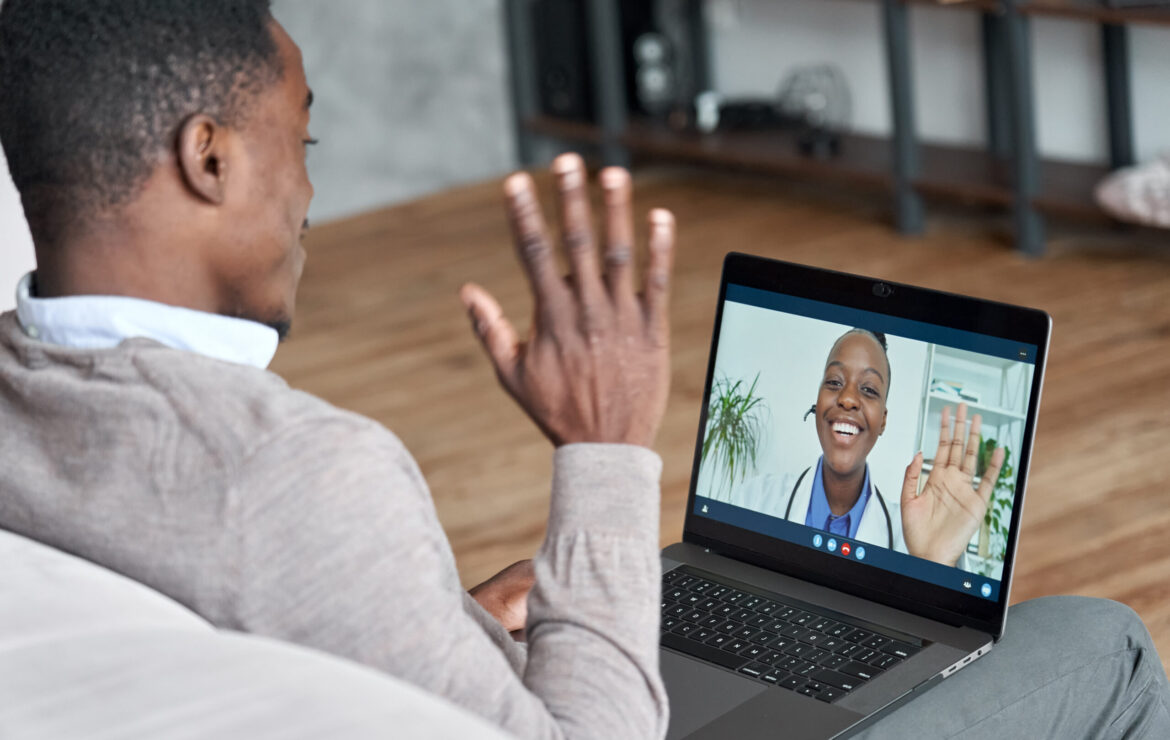
Telehealth is the use of electronic information and communication technologies to provide healthcare services when the patient and healthcare professional are in different locations.
New York State Medicaid recognizes several forms of telehealth, including:
- Audio-only telehealth, such as a telephone appointment
- Audio/visual telehealth, such as a video appointment
- Remote patient monitoring, which allows certain health information to be collected and transmitted electronically
- Store-and-forward telehealth, in which healthcare information can be collected and transmitted for later review
New York Medicaid states that covered telehealth services may include assessment, diagnosis, consultation, treatment, education, care management, and self-management, depending on the applicable requirements for the service.
Not every healthcare service can be provided through telehealth. Some appointments, examinations, procedures, and treatments require an in-person visit.
How Does Telehealth Work With New York Medicaid?
New York Medicaid covers certain healthcare services delivered through telehealth when the service and provider meet applicable Medicaid requirements.
The state’s telehealth policy applies to services provided through both Medicaid Fee-for-Service and contracted Medicaid Managed Care plans.
The New York State Department of Health updated its Medicaid Telehealth Policy Manual in July 2026. The update included changes involving remote patient monitoring, teledentistry, home health care, hospice, billing guidance, and other telehealth policies.
Because Medicaid telehealth rules can change, patients should confirm current coverage and requirements with their healthcare provider and, when applicable, their Medicaid Managed Care plan.
What Are the Benefits of Telehealth for People Receiving Home Care?
Telehealth may provide several benefits for people who receive care at home.
Convenient Access to Healthcare
One of the primary benefits of telehealth is convenience. When an appointment can appropriately be provided remotely, a patient may not need to travel to a medical office.
This can be helpful for people who have difficulty leaving their homes or who require assistance with transportation.
Reduced Travel
Traveling to healthcare appointments can be challenging for people with disabilities, mobility limitations, chronic conditions, or significant caregiving needs.
A telehealth appointment may eliminate the need for transportation when an in-person examination is not necessary.
Support for Ongoing Care
People with chronic conditions may need regular contact with healthcare professionals.
Depending on the service, telehealth can be used for follow-up appointments, care management, patient education, and certain forms of remote monitoring.
Easier Communication With Healthcare Professionals
Telehealth provides another way for patients to communicate with members of their healthcare team.
A patient may be able to discuss questions, review healthcare instructions, or participate in a follow-up appointment without traveling to a provider’s office.
Greater Participation in Healthcare
Telehealth can make it easier for patients and, when appropriate, family members or caregivers to participate in healthcare discussions.
With the patient’s permission and subject to the provider’s policies, another person assisting with care may be able to participate in a virtual appointment.
How Can Telehealth Support CDPAP Services?
CDPAP is a New York Medicaid program that allows eligible Medicaid members who need home care to choose and direct their own personal assistants. New York State explains that CDPAP can provide services normally provided by a personal care aide, home health aide, or nurse, depending on the individual’s authorized needs.
Telehealth does not replace these services. Instead, telehealth can complement CDPAP by helping the individual remain connected to healthcare professionals.
1. Telehealth Doctor Appointments
A person receiving CDPAP services may be able to participate in an appropriate medical appointment through telehealth.
For example, a healthcare provider may determine that a routine follow-up appointment can be conducted by video or telephone rather than requiring an office visit.
The healthcare provider determines whether telehealth is appropriate for the particular service.
2. Follow-Up Care
Telehealth can be useful for certain follow-up appointments after an in-person medical visit.
A healthcare professional may use a virtual appointment to discuss a patient’s progress, answer questions, review certain symptoms, or determine whether additional care is needed.
3. Remote Patient Monitoring
Remote patient monitoring allows certain health information to be collected electronically and transmitted to healthcare professionals.
New York Medicaid recognizes remote patient monitoring as one of its telehealth modalities.
The state also made changes to Medicaid reimbursement for certain remote patient monitoring services in 2026.
Whether remote monitoring is appropriate depends on the patient’s condition, the provider, the service, and applicable Medicaid requirements.
4. Care Coordination
Telehealth can make communication among healthcare professionals, patients, caregivers, and other members of a care team easier.
For example, a patient receiving CDPAP services may be able to participate in a virtual care discussion with a healthcare professional while remaining at home.
5. Medication Discussions
Some medication-related discussions may be conducted through telehealth.
A healthcare professional may use a virtual appointment to review medications, discuss potential side effects, or determine whether the patient needs an in-person evaluation.
Patients should not change or stop prescribed medications without guidance from an appropriate healthcare professional.
6. Patient and Caregiver Education
Healthcare professionals may use telehealth to provide information and education related to an individual’s healthcare needs.
Depending on the service, this may include education about a health condition, treatment instructions, equipment, or self-management.
The availability of education through telehealth depends on the specific service and applicable Medicaid requirements.
Can Telehealth Replace a CDPAP Caregiver?
No.
Telehealth and CDPAP provide different types of support.
Telehealth is a way of delivering certain healthcare services remotely. CDPAP provides authorized personal assistance and, when applicable, skilled services to eligible Medicaid members who need care at home.
For example, a telehealth appointment may allow a patient to speak with a healthcare professional from home. It does not replace a personal assistant who provides authorized hands-on assistance with activities of daily living.
Telehealth may therefore be used alongside CDPAP services, rather than as a replacement for them.
Can a CDPAP Personal Assistant Help During a Telehealth Appointment?
A CDPAP personal assistant may be able to assist a consumer during a telehealth appointment when appropriate.
For example, a personal assistant might help the individual:
- Set up a smartphone, tablet, or computer
- Access the telehealth platform
- Position the device
- Communicate questions to the healthcare provider
- Assist with mobility or positioning when appropriate
- Help the individual follow healthcare instructions
The patient’s privacy and the healthcare provider’s requirements should always be respected.
The patient should also determine who they want involved in their healthcare discussions and provide any consent required by the provider.
Can Telehealth Be Used for Remote Patient Monitoring?
Yes. Remote patient monitoring is recognized by New York Medicaid as a telehealth modality.
Remote patient monitoring can involve the electronic collection and transmission of certain health information to healthcare professionals.
In 2026, New York Medicaid also updated policies and reimbursement information related to remote patient monitoring.
Patients should speak with their healthcare provider to determine whether remote patient monitoring is appropriate for their particular healthcare needs.
Telehealth and CDPAP: What Consumers Should Know
If you receive CDPAP services and are considering telehealth, keep these points in mind:
Ask your healthcare provider whether telehealth is appropriate. Not every healthcare service can be provided remotely.
Check your Medicaid coverage. Coverage and requirements may depend on the service and whether you receive Medicaid through Fee-for-Service or a Managed Care plan.
Use the platform recommended by your provider. Your provider should give you instructions for accessing the appointment.
Prepare for your appointment. Keep your medication list, questions, and relevant health information nearby.
Protect your privacy. Participate from a private location whenever possible and do not share telehealth login information with unauthorized people.
Keep your CDPAP services separate from telehealth. A telehealth appointment does not automatically replace authorized personal assistance.
Seek emergency care when necessary. Telehealth should not be used instead of emergency medical care when someone is experiencing a medical emergency. Call 911 or seek emergency medical attention when appropriate.
Telehealth Privacy and Security
Telehealth involves the electronic transmission of personal health information, so privacy and security are important.
Patients should follow their healthcare provider’s instructions for accessing telehealth appointments and use the provider’s recommended platform.
When possible, choose a private location for the appointment and avoid sharing passwords, appointment links, or other private information with unauthorized individuals.
Healthcare providers must follow applicable privacy and security requirements when delivering telehealth services.
New York Medicaid Telehealth Rules for 2026
The New York State Department of Health published an updated Medicaid Telehealth Policy Manual on July 29, 2026. The updated guidance applies to New York Medicaid-enrolled providers and Medicaid Managed Care plans and includes changes related to several telehealth services and billing policies.
Because Medicaid policies can change, patients should use current New York State Department of Health guidance and confirm coverage with their healthcare provider or Medicaid plan.
Telehealth Can Complement CDPAP Home Care
Telehealth can make certain healthcare services more accessible to people receiving care at home. For New York Medicaid members, it can provide options for virtual appointments, follow-up care, care coordination, patient education, and certain types of remote monitoring.
For people receiving CDPAP, telehealth can complement authorized home-care services without replacing the hands-on assistance provided by a personal assistant.
If you receive New York Medicaid and CDPAP services, speak with your healthcare provider about whether telehealth is appropriate for your healthcare needs. For current coverage requirements, consult your Medicaid plan and the New York State Department of Health.
Related posts